
16 July 2026
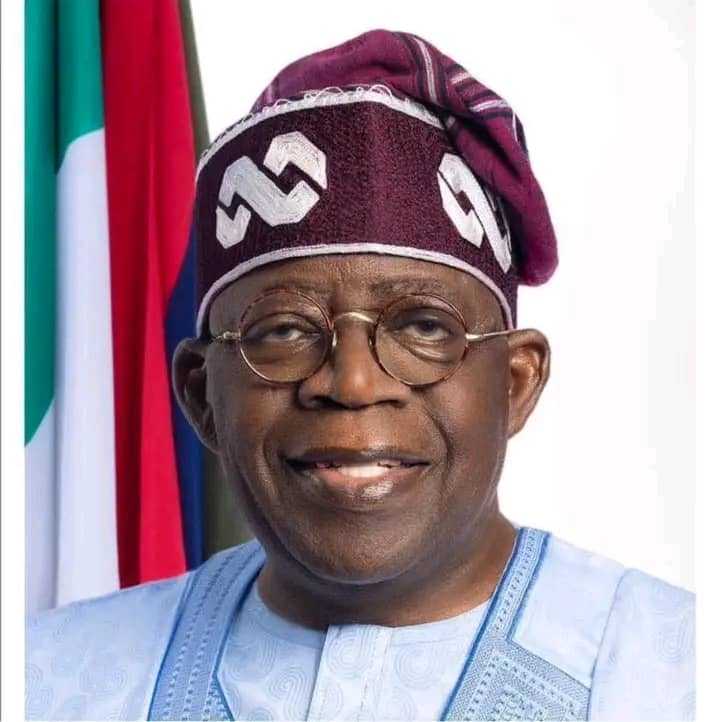
Amid revelations of serial scandals in the APC administration headed by Presidemt Ahmed Tinubu, the #AtikuIsForThePeople organization has exposed yet another scandal running into trillions of naira. In a widely circulated publication, the organization wrote: "The revelation that Nigeria in 2025, under the President Bola Ahmed Tinubu administration, granted about ₦34 trillion in import duty waivers, has triggered nationwide outrage; with Economists warning that the policy has come at a staggering cost to government revenue, at a time millions of Nigerians are battling poverty, hunger, insecurity and unemployment. Although, the Federal Government has insisted that many of the waivers were granted to support national security, healthcare, manufacturing, food imports and the transition to cleaner energy; however, many Nigerians are of the view that the waived staggering amount of money has nothing on ground to show for it. Appearing before the Senate Committee on Finance, on Monday, the Comptroller-General of the Nigeria Customs Service, NCS, Bashir Adewale Adeniyi, disclosed that Import Duty Exemption Certificate, IDEC, approvals reached approximately ₦34 trillion. According to him, about 60 percent of the waivers related to Military hardware, while others covered Compressed Natural Gas, CNG, electric and hybrid vehicles, healthcare equipment, industrial machinery and food import interventions. Adeniyi defended the policy, stressing that, "fiscal policy should not be assessed solely on revenue generation", arguing further that, duty waivers are designed to achieve broader economic and social objectives. He nevertheless, admitted that government must strengthen monitoring, to ensure beneficiaries actually deliver lower prices, increased production and improved healthcare access. That confession alone lies at the heart of the ongoing controversy. For many Nigerians, the pressing question is simple: If ₦34 trillion in public revenue was forgone, where are the visible results? Nigeria remains home to millions living below the poverty line. Food inflation has continued to squeeze households; Public Hospitals struggle with inadequate facilities; Public Schools suffer chronic underfunding; and countless Communities still lack clean water, good roads and reliable electricity. Against this backdrop, the revelation that President Tinubu's Federal Government waived revenue equivalent to tens of trillions of naira, has naturally provoked widespread anger. Economists quoted in reaction to the disclosure, warned that excessive waivers undermine the country's revenue base and worsen fiscal pressures. Some questioned whether beneficiaries were subjected to sufficient oversight, to ensure the incentives translated into lower consumer prices or expanded local production. The figure itself is difficult to comprehend. With ₦34 trillion, Nigeria could potentially have financed thousands of kilometres of roads, constructed modern Hospitals across the Federation, revitalised Public Universities, equipped Primary Healthcare Centres, expanded School Feeding Programmes, strengthened Social Welfare Initiatives and created large-scale Youth Employment Schemes. It could also have significantly improved access to potable water, rural electrification and agricultural support, for millions of struggling Farmers nationwide. The questions remain: If Manufacturers received import concessions, did they reduce prices? If food Importers benefited, why do food prices remain painfully high? If Healthcare equipment attracted exemptions, why are many Government Hospitals still short of basic medical supplies? if industrial machinery enjoyed waivers, where are the promised Factories and large-scale job opportunities? For millions of poor Nigerians struggling to survive each day, ₦34 trillion represents Schools that were never built, Hospitals that remain unequipped, roads left unfinished, jobs never created and opportunities that may never return under President Bola Tinubu's re-election.
Posted: 3months ago
Author: Editor in Chief
Current date: 18 October 2026